
Field correspondent covering big cats, grasslands ecology, and community conservation across India and East Africa.
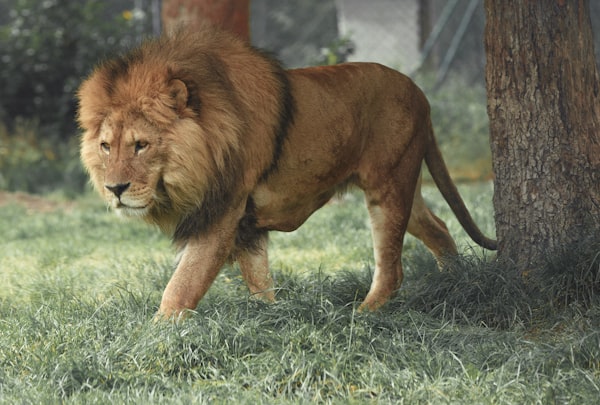
The first roar arrives before sunrise — not as a spectacle, but as a low roll across dew-wet grass. In the Serengeti and India's Gir, lions live by patience as much as power. Their silence is strategic: a way to hold territory, gather the pride, and remind the plains who still rules the night.
Life in the Grasslands
Grasslands are open theatres of survival. Lions prefer habitats where cover and visibility trade places — tall grass for ambush, short grass for scanning herds. A pride's range can stretch for miles, shifting with seasons, water, and the movement of prey like zebra, wildebeest, and chital.
Within that range, roles are shared. Lionesses lead most hunts; males patrol edges and defend cubs from rival coalitions. The famous roar is both advertisement and warning — a sound that can travel several kilometres on a still morning.
The Pride Dynamic
A pride is a living archive of kinship and conflict. Sisters hunt together for years; cubs learn by shadowing adults; nomadic males wait for a chance to claim a territory. When takeovers happen, the stakes are brutal — and the ecology of the plains briefly resets.
Threats on the Horizon
Habitat fragmentation, retaliatory killings, and shrinking prey bases push lions into tighter spaces. Roads and fences cut corridors. Outside protected areas, livestock conflict rises — and so does the pressure on communities asked to share land with apex predators.
In Gir, Asiatic lions have made a remarkable recovery, yet they remain vulnerable to disease, climate stress, and the narrowness of a single major stronghold. Conservation success is real — and unfinished.
Guardians of the Wild
Rangers, Maldhari herders, researchers, and local guides form the quiet frontline. Their knowledge of tracks, seasons, and lion temperament often decides whether a conflict ends in coexistence or loss. Field stories matter because they carry the human half of conservation — the part policy papers cannot hold alone.
A Shared Future
Protecting lions means protecting grasslands as living systems — water points, prey herds, corridors, and cultures that grew beside them. The silent roar is not only a wild sound; it is a reminder that the plains still have a pulse, and that our choices can keep it beating.
“When the grasslands fall quiet, it is not peace we hear — it is the absence of a voice that once held the night together.”