

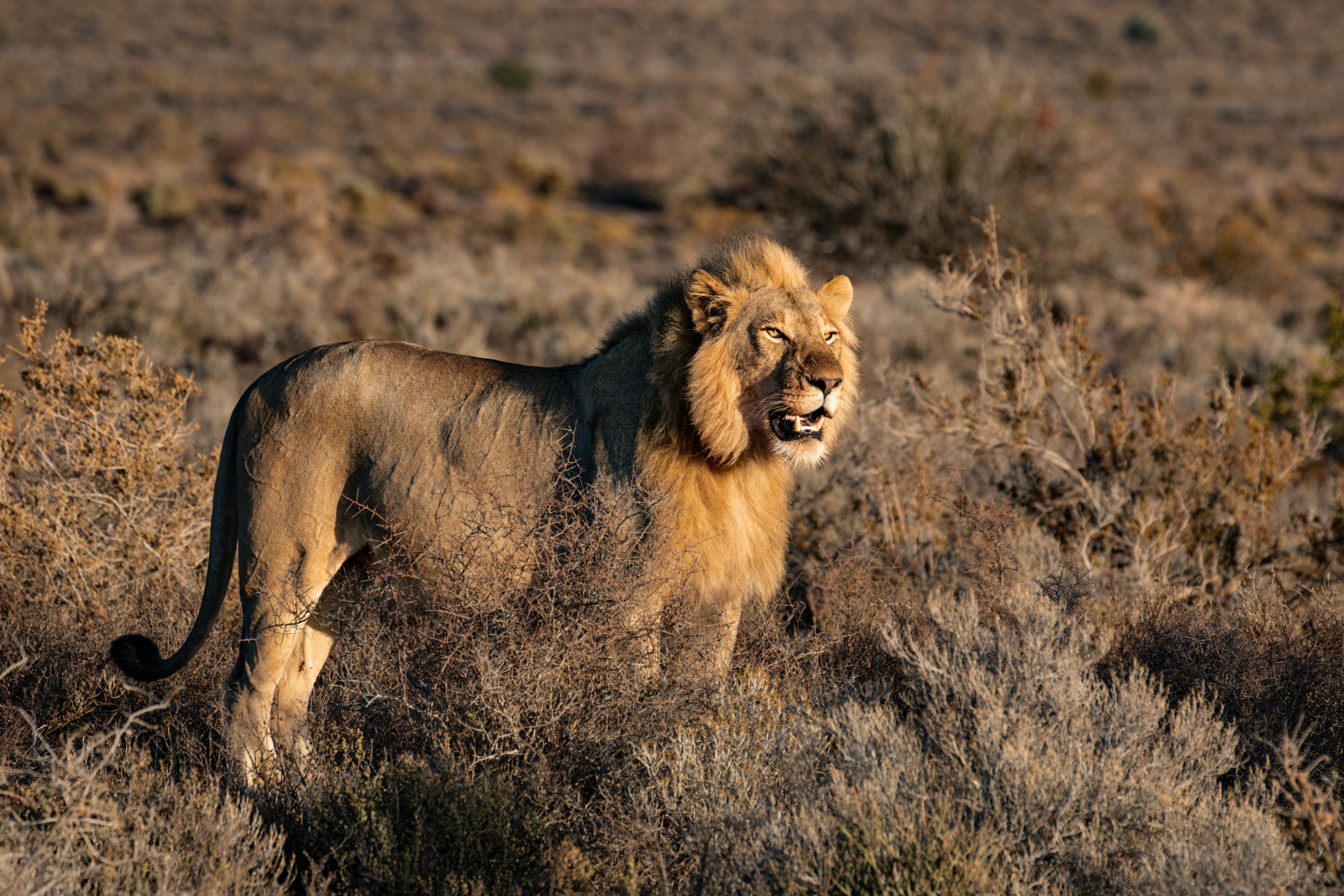
As human populations expand and landscapes transform, interactions between people and wildlife are becoming increasingly common. These encounters often result in conflict, ranging from crop damage to loss of human and animal life. Yet, conflict is not inevitable. With understanding and planning, coexistence is possible.
Human–wildlife conflict usually arises when natural habitats shrink or fragment. Animals are forced to venture into human settlements in search of food, water, or shelter. Elephants raid crops, leopards wander into villages, and monkeys adapt quickly to urban environments. These incidents are symptoms of deeper ecological imbalances.
Traditional communities have long practiced coexistence with wildlife. Indigenous knowledge systems emphasize respect for nature and sustainable resource use. Sacred groves, for example, have protected forest patches for centuries, providing refuge for wildlife while benefiting local people.
Modern solutions must build on this wisdom while incorporating science and technology. Early-warning systems, wildlife corridors, and compensation schemes for farmers can significantly reduce conflict. Educating communities about animal behavior also helps dispel fear and misinformation.
Policy plays a vital role. Conservation strategies must consider human needs alongside wildlife protection. When communities are involved in decision-making and benefit-sharing, they become allies rather than adversaries of conservation.
Coexistence is not about choosing humans over wildlife or vice versa. It is about recognizing that both are part of the same ecosystem. By learning to share space thoughtfully, we can ensure safety, dignity, and survival for all species involved.